Melania (2026)
Director: Brett Ratner
Executive Producer: Melania Trump
Documentary
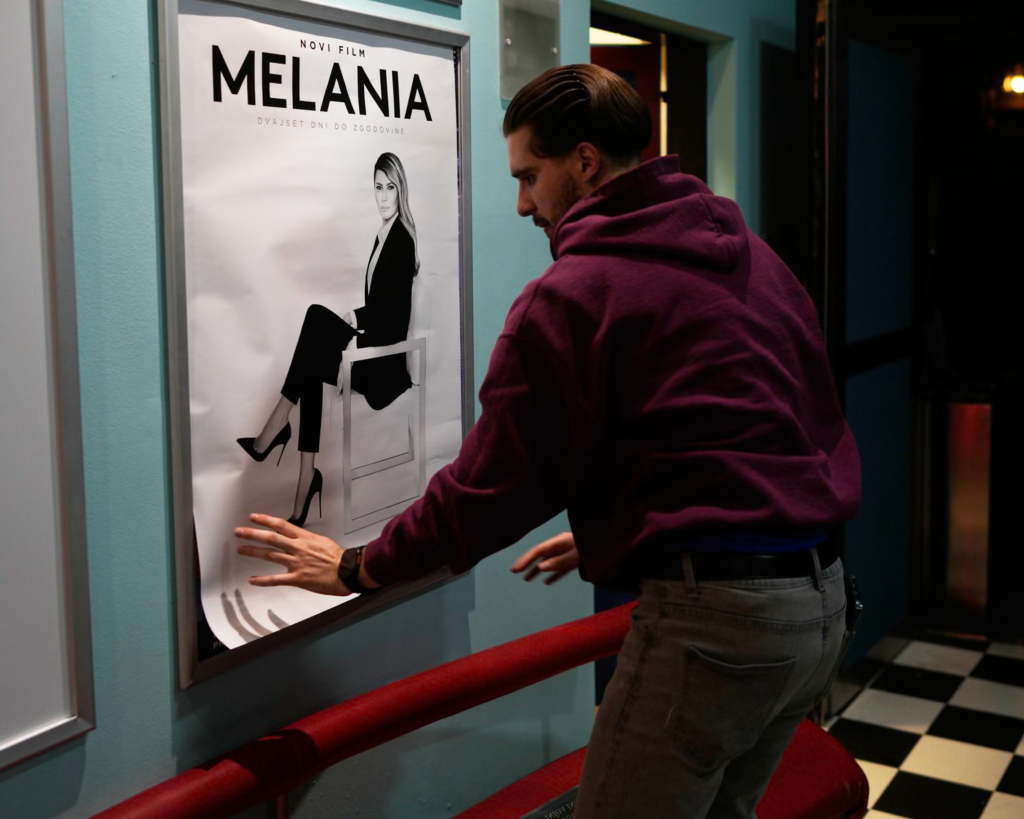
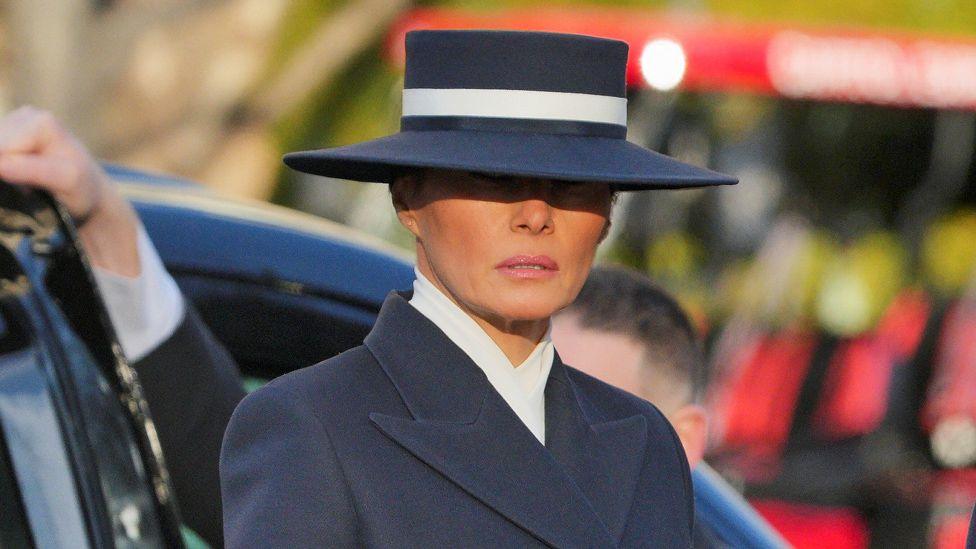
For those of us who assumed that First Lady of the United States Melania Trump spends her time doing sweet bugger all, this documentary, covering the 20 days prior to Donald Trump’s second inauguration in 2025, presents a sharp correction. During a fitting with fashion designer Hervé Pierre, she is not doing nothing in the same way that Pierre is himself not doing nothing. Her costume choices take time to design: even her inconceivable Eric Javits hat worn at the 2025 inauguration, which covered her face as if she were an old timey gangster, took time.
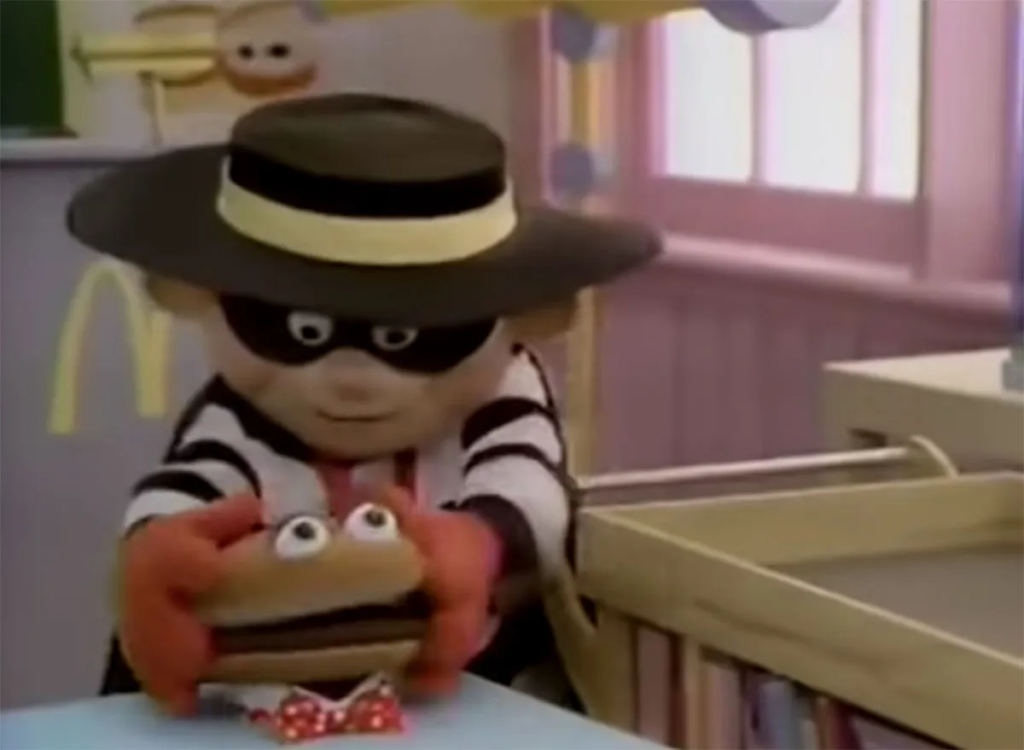
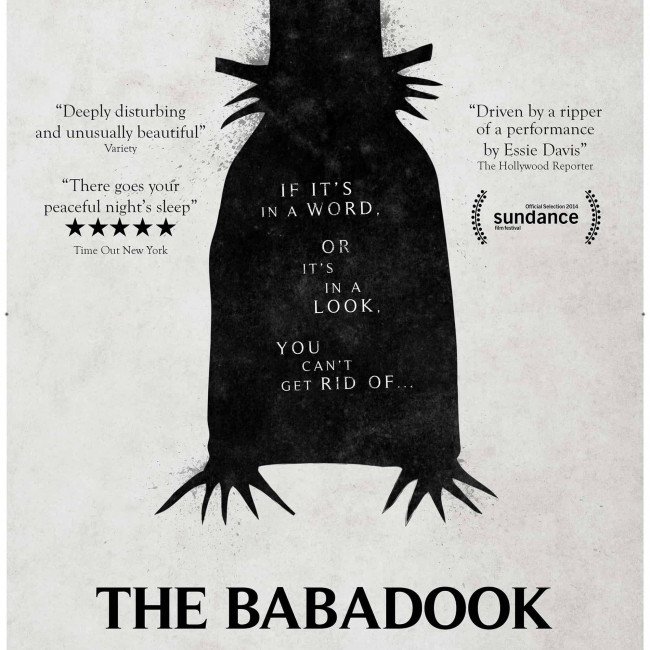
(Jimmy Kimmel compared her to Hamburgler. Mark Joseph Stern of Slate compared her to the Babadook, a horror movie character who also wears a frightful hat. Melania wore a similar face-covering hat during a 2018 visit to Windsor Castle that also provoked ridicule.)
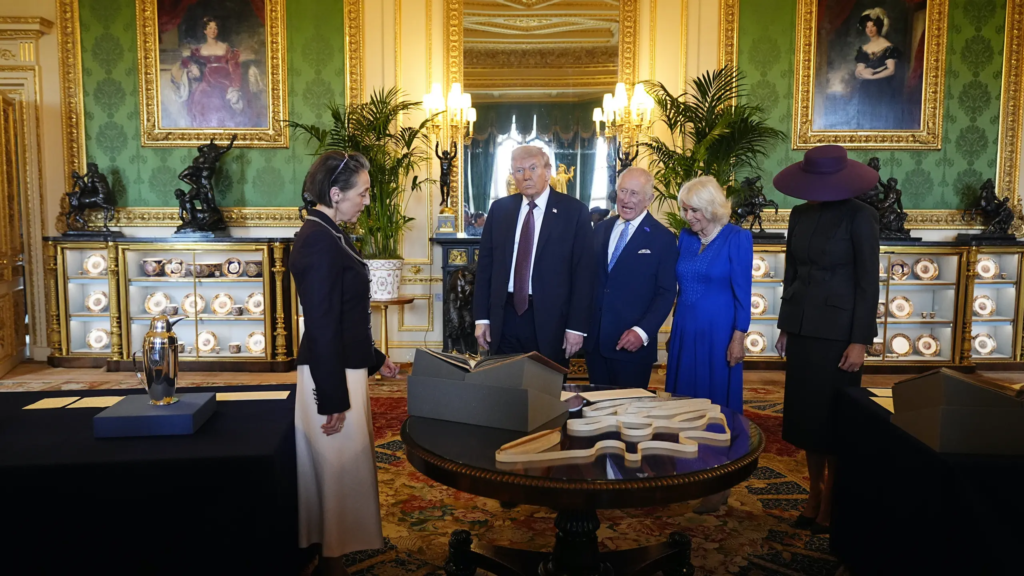
Her primary job is to make choices about colors, fabrics, invitation fonts, and drinking glasses. Even when her choices are questionable, they were sincerely made and took as much time as an elegant choice might have. The wretched-looking first course of the candle-light dinner, consisting of a toxic-looking golden egg with caviar inside, took time to imagine. She produced some nice-looking Slovenian drinking glasses and promptly ruined them by requiring an engraved Presidential Seal.
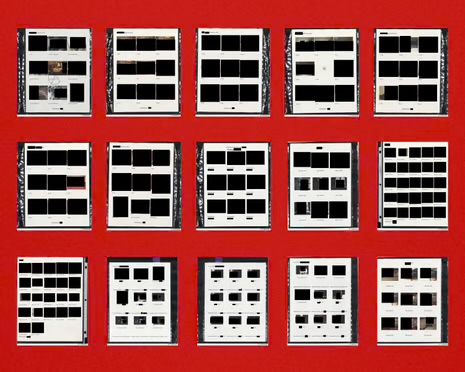
She wears a white Pierre dress with a black zigzag to an Inaugural ball and Sophie Gilbert in the Atlantic observed that the design resembles the redacted Epstein files.
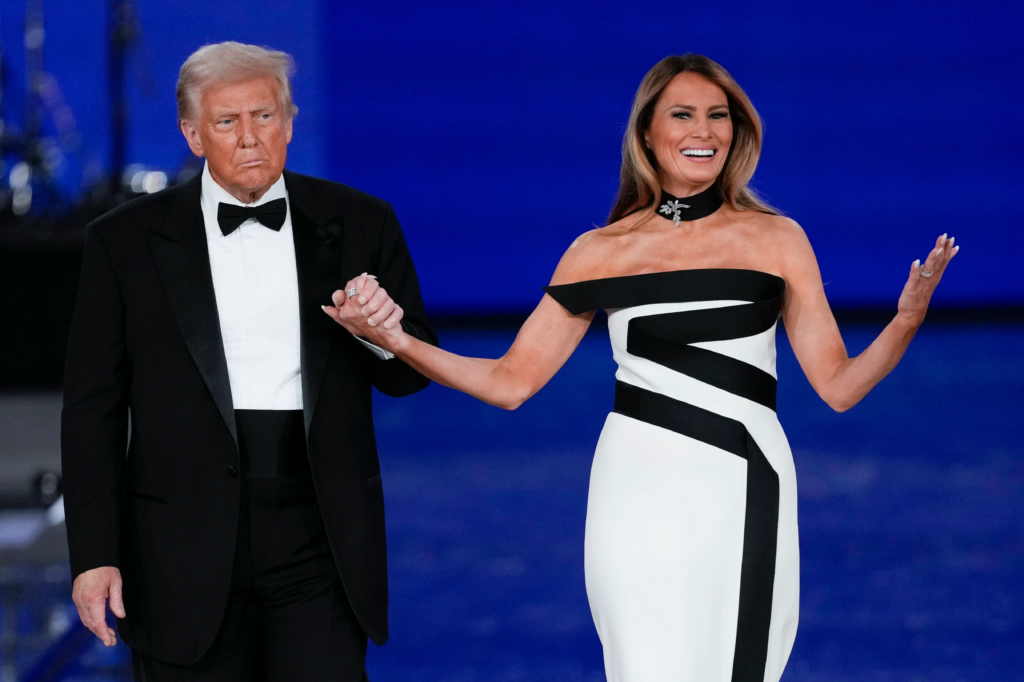
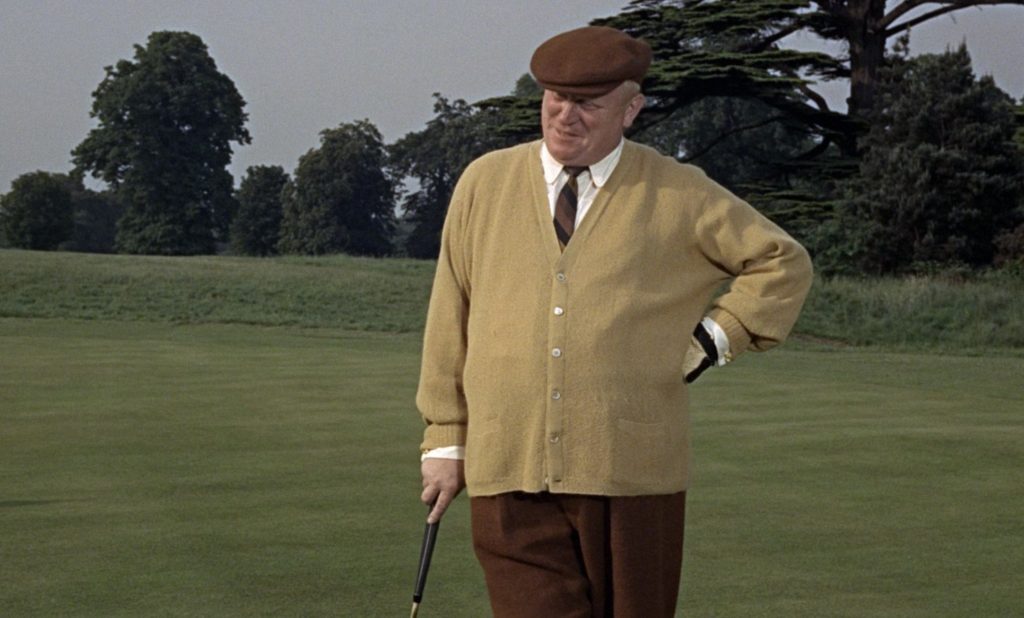
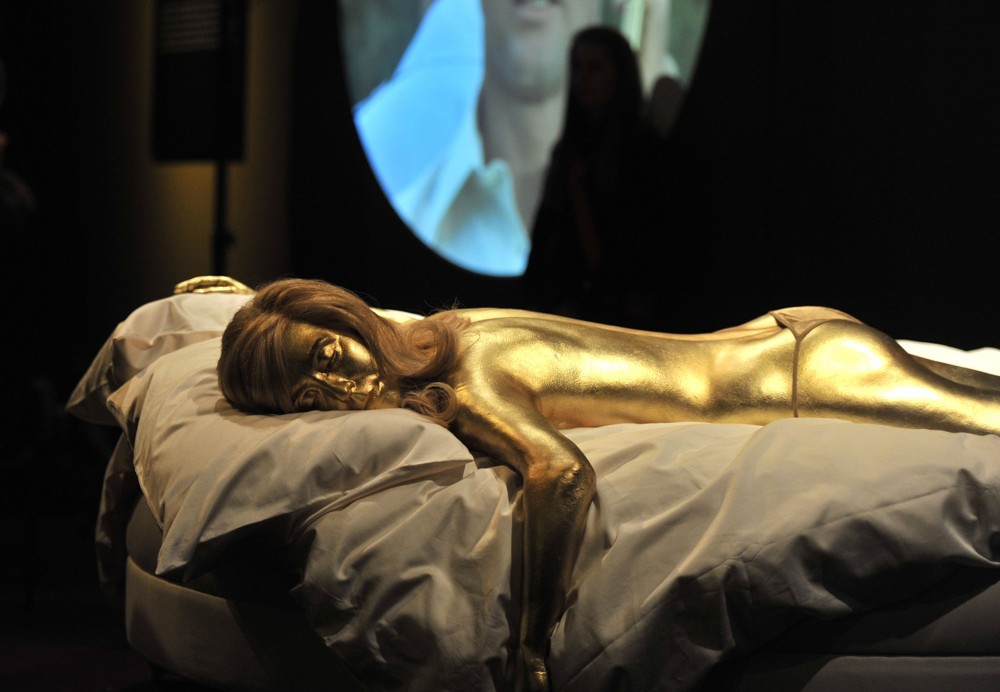
With a laugh, Melania says that her favourite colours are black and white, a radical statement when married to the Bond villain Auric Gold-Short-Finger.
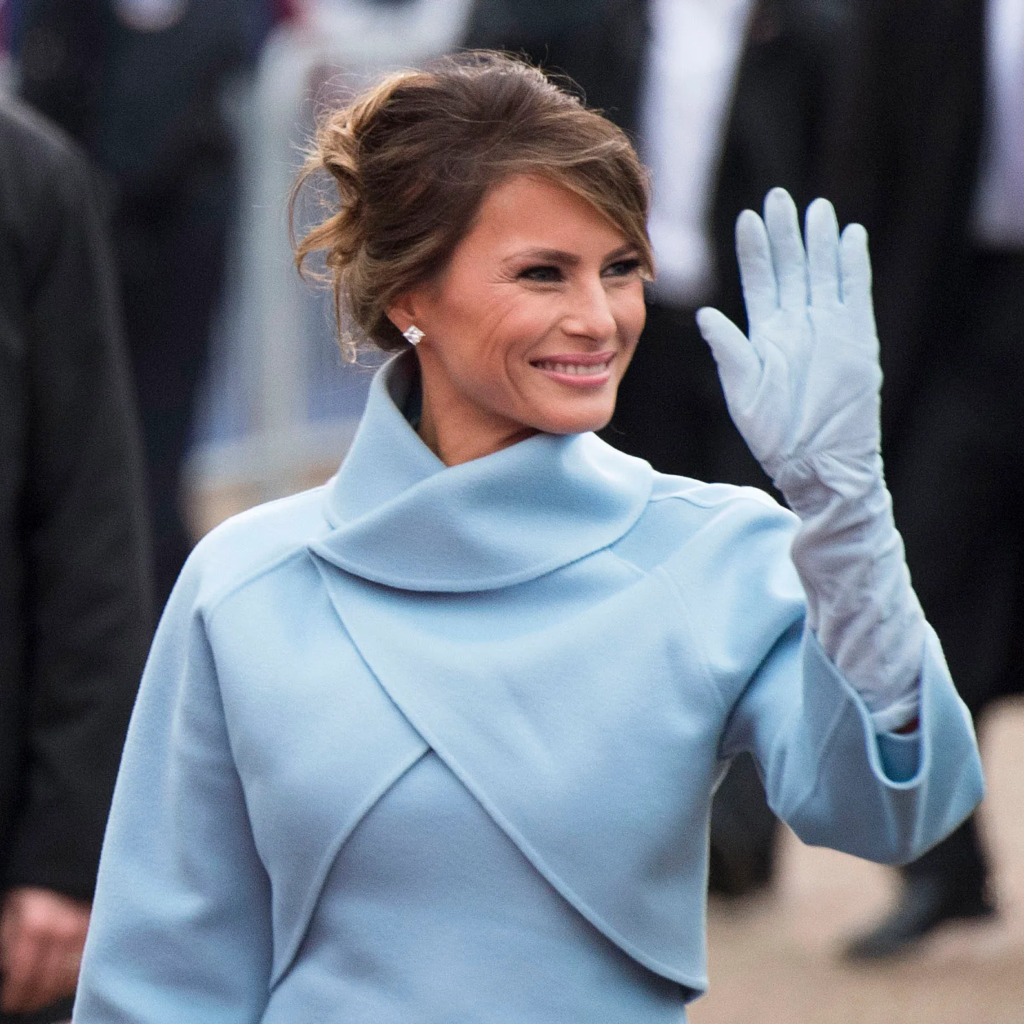
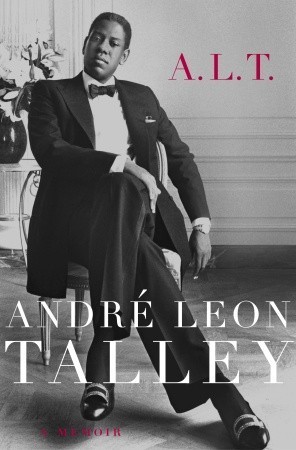
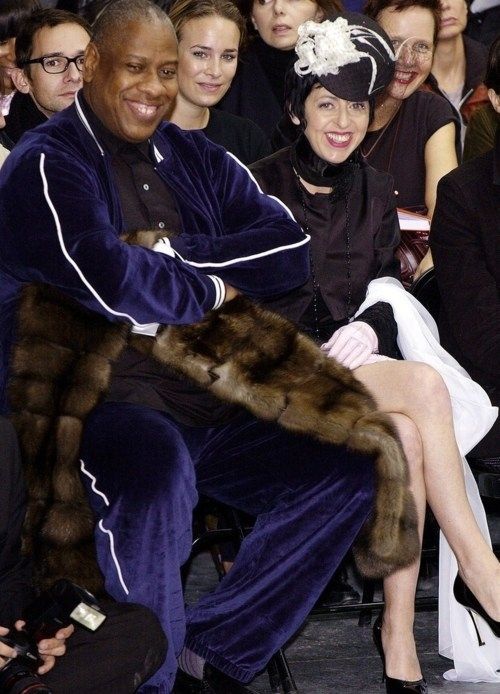
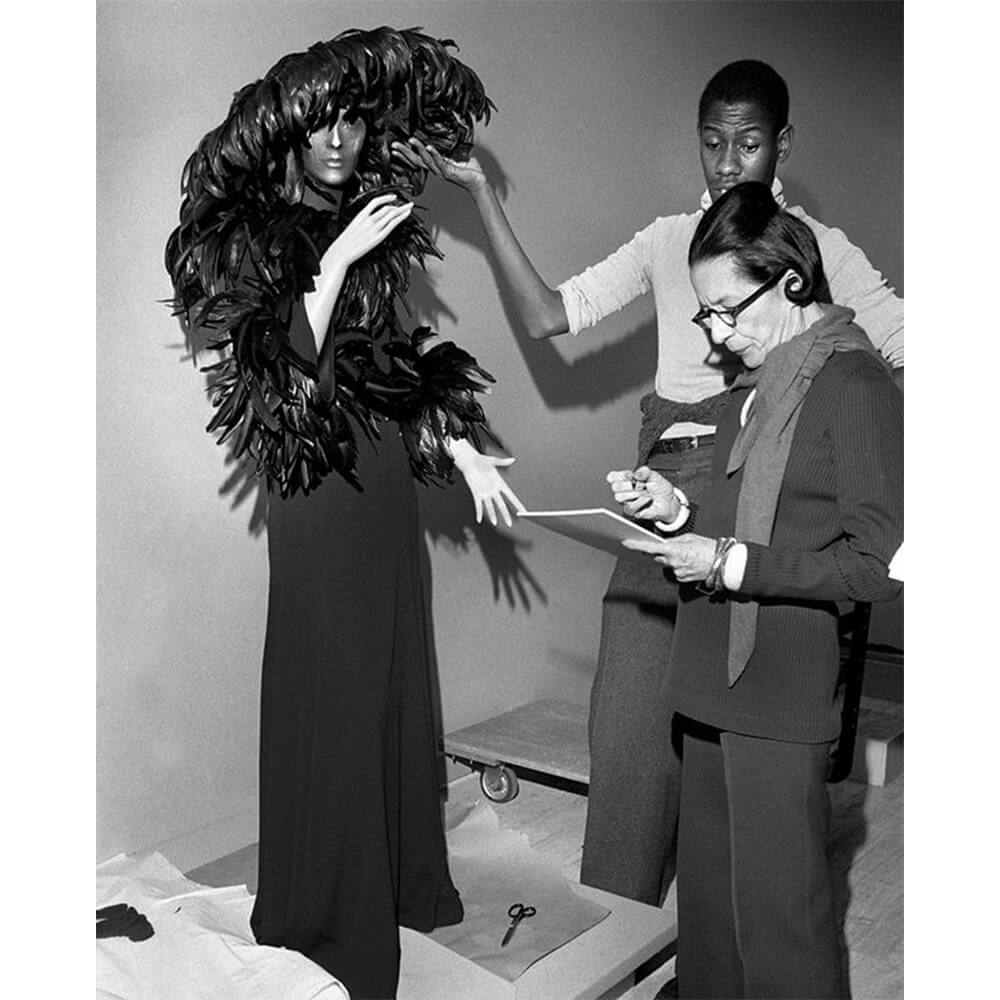
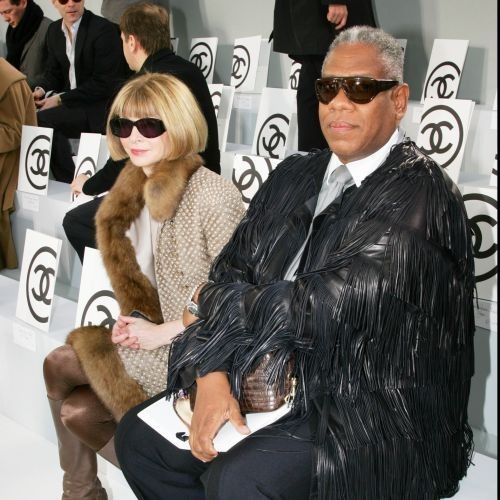
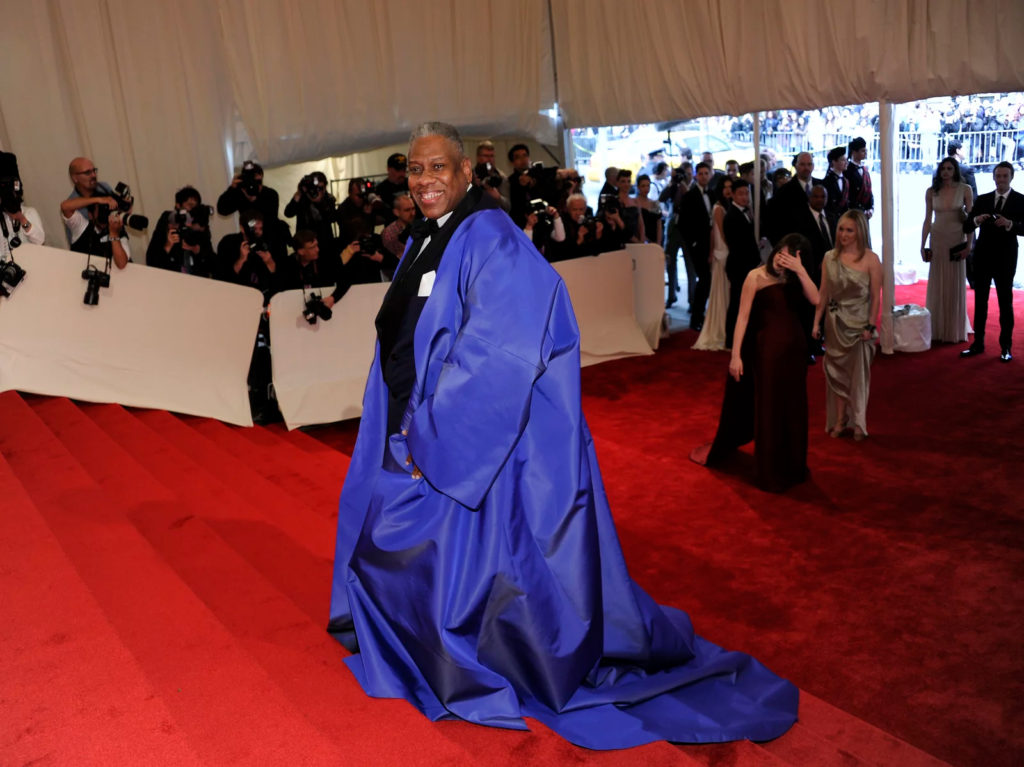
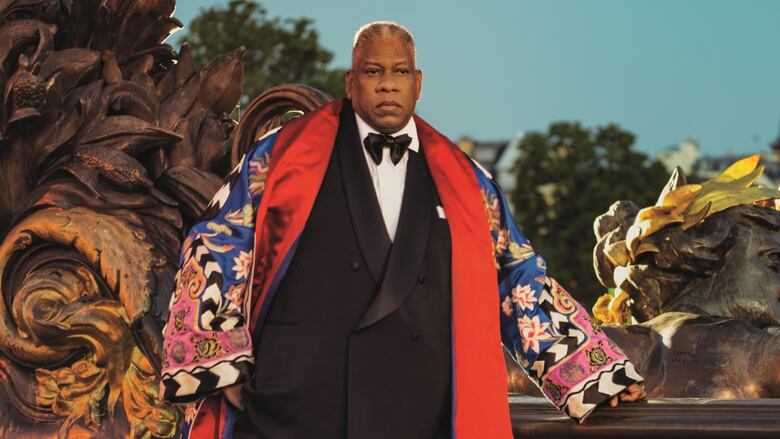
Melania secured her 2017 gorgeous sky blue inaugural dress by the skin of her political teeth and by the divine intervention of fashion editor André Leon Talley. Back then, Ralph Lauren played both sides of the street, dressing Hillary Clinton for the same event. Lauren might refuse to take Melania’s call today.
Her second job is traveling. Melania bounces between Trump Tower, Mar-a-Lago and the White House, while attempts are made to establish where, if anywhere, she actually lives. This whack-a-mole lifestyle has gained attention recently because Trump author and expert Michael Wolff is in the process of serving Melania with an anti-slap civil suit. (She first served him with a slap suit of one billion dollars for exploring her documented interactions with the late pedophile Jeffrey Epstein.) Wolff was unable to pin down her home address in order to serve her, though a loose-lipped doorman claims that Melania, as First Lady, actually lives in Trump Tower.
When one spends incalculable time between locations, alone in limos and private planes, speeding, can that period really be called living? Is Melania a collection of molecules that only comes together when she disembarks from her conveyance?
(Throughout the film, director Brett Ratner sneaks in irrelevant, jarring flashes of stilettos and delicate ankles. Melania’s talent is moving in and out of limos with a spidery grace. Ratner, cancelled after numerous allegations of sexual harassment and assault, is attempting to crawl back to respectability. But with his foot fetish, he reveals an unhelpful repetition compulsion.)
Being a professional beauty takes great effort, but she is totally silent on her physical humanity, zipped up in her own skin. She is admirably trim at 55. But there is no all-American boasting about a masochistic exercise routine and a restrictive diet. Melania’s philosophy is Never Let Them See You Sweat.
One of Melania’s riddles is that she is such an unbeautiful beauty, such an unsexy former nude model. Maureen Callahan of The Nerve called her “empirically the most beautiful” of America’s First Ladies, but the fashion world has largely rejected her, along with everything Trump.
Her long Chinese empress fingernails make direct work impossible. The most strenuous exercise she undertook onscreen was to open a massive red envelope containing an admittedly beautiful inaugural invitation. The talented event planner David Monn, coiled with tension, talks about shades of griege. His tablecloths are an achievement, but they are polluted with golden Trump bric-a-brack as tableware.
The wags at Datalounge call her “Vairst Letty”. That her English is so faulty and heavily accented after some 30 years in America is perhaps a deliberate refusal to assimilate. Melania remains exotic by remaining European, an emissary from a country nobody knows. While translators have put the lie to her claim of speaking six different languages, she appears to understand Brigitte Macron who speaks French during much of an online chat. Melania speaks her native Slovenian with her parents and son.
In 2025, she handwrote a “Peace Letter” asking Vladimir Putinh to release the Ukrainian children displaced and lost in the Ukrainian-Russian war. In response, he freed some children. She wrote to him Slav to Slav, telegraphing her foreignness as First Lady.
I have a theory that the “Be Best” initiative (2018-2021) began as a linguistic error which some hostile staffer didn’t bother to correct. Undoubtedly, Melania has been made aware of this grievous error a thousand times. Yet the name remains: I think she is fucking with us. Facing a linguistic impasse, Melania is often immovable. Her version of the English language is the one that goes.
Consulting modern history’s roster of evil consorts, Melania plows her own furrow. She is not in Nazi Eva Braun’s territory, with no Holocaust under her belt. She is not in Haiti’s Michèle Duvalier territory because she is not intelligent enough. She is not Argentina’s Evita because she lacks pathos and a cult of personality. She is not the Philippines’ Imelda Marcos because she has no musical talent nor an eye-popping shoe collection.
And she is not South Vietnam’s Madame Nhu, who, in 1963, described the self-immolating monks protesting the persecution of Buddhists as “another barbecue show”.
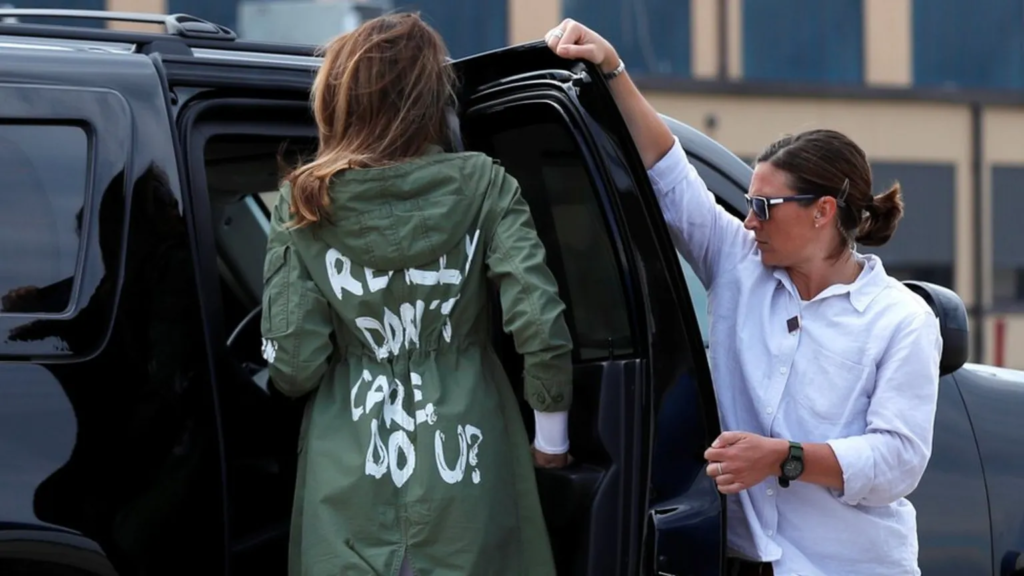
Melania is not as cruel as Nhu, although her infamous jacket worn in 2018 to and from a visit to a migrant children detention center (where some children were forcibly separated from their parents) puts her in striking range. Her Zara jacket sported the large painted slogan “I Really Don’t Care. Do U?” When informed during the visit of the outrage caused by the jacket, she doubled down and wore it back home. Later, she expressed regret that the jacket made her seem like a political animal and not just a clothes horse: political life bored her to tears.
She most resembles the evil female employee of a billionaire Bond villain, who, with a blank beautiful face, pushes the button to begin a creative, mechanical form of torture.
She could take or leave this documentary. She doesn’t seek an audience or a bevy of fans. She doesn’t care about you or me. She is comfortable in her skin, independent, poised, introverted. She did it for the money. Apart from her occasional, incoherent slime-speak about her devotion to duty, she doesn’t want to share so much as a thimbleful of biographical fact. She wants a music video, not a warts and all study. This documentary is a “documentary”. It has the same yucky feel as a vanity press book.
The soundtrack, pop music from the 1970s and 1980s, is apparently chosen by shuffle. The film begins with Melania being driven out of Mar-Lago to the inexplicable sounds of the Rolling Stones’ “Gimme Shelter”. In a random array come Tears for Fears, Spandau Ballet, Michael Jackson, and the Village People. In a segment that runs too long, she and Brett Ratner sing along to “Billie Jean” in the limo.
The Trumps travel to Arlington National Cemetery for the war dead. They hang a wreath, inspect the Tomb of the Unknown Soldier, and look solemn. All would be well if only Trump hadn’t, during a 2018 visit to France, referred to dead soldiers as “suckers” and “losers” who hadn’t found a way to avoid service as he had, and flatly refused to visit a military cemetery.
Inconveniently, Jimmy Carter has died, necessitating the Trumps to sit tensely in Washington National Cathedral at the funeral alongside other former First Couples on 9th January. This is significant insofar as Inaugurations are always held on 20th January and time is a-wastin’. We can imagine the string of private obscenities that this requirement provoked in unsentimental Donald. Sabotaged by the Dems again.
The rumours of the Trumps being stiff with loathing for each other seem to be unfounded. He seems to be genuinely proud of her (for her looks) and she has established boundaries that work for her. And this means spending as little time in the White House as possible. She looks very expensive and could perhaps only co-exist with a billionaire. They seem like kindred spirits and, for half the country, she aids and abets the enemy.
Later that evening, Melania visits St Patrick’s Cathedral in New York to light a candle for her mother on the anniversary of her death. A dreadful scene plays out when Melania is greeted by Archbishop LaMorte and grinning fangirl Father Enrique Salvo. When the priest offers a special blessing, a moment of suspense ends when neither Salvo nor Melania bursts into flame. Bafflingly, a gospel recording of Aretha Franklin singing “Amazing Grace” swells and a non-existent congregation begins clapping along while Melania stands in an empty cathedral.
And now for the exception that proves the rule: Melania does selectively care. Former Israeli hostage Aviva Siegel, released from Gaza, has come to visit Melania at Trump Tower, seeking help in rescuing her hostage husband Keith. Aviva touchingly introduces herself as “just a simple person, from a simple world, that loves my husband”. Melania and Aviva share a tight, Princess Diana-style hug. Melania promises to help and Keith is freed 14 days after the inauguration.
As if slime had taken voice, she announces: “Every day I live with purpose and devotion, orchestrating the complexities of my life while nurturing my family needs”. While walking through the Capital which her husband’s followers once befouled she muses: “I constantly think of how our lawmakers can build dignity, create equal opportunity and foster compassion through the unity of all Americans.” Where does she constantly think about this? In the limo? These intonations are all voice-overs. She would not attempt this kind of linguistic stunt onscreen. Who is this ghost writer, what is his agenda, and what is his party affiliation? Because I think he’s fucking with her.
Events in Trump world move so fast that the documentary is instantly archaic. Melania muses about protecting Jacqueline Kennedy’s Rose Garden, which Donald Trump has since paved over. She talks about her work in the East Wing of the White House, which was last seen totally destroyed by diggers, leaving behind a field of rubble and disconnected wires.
Anyone ranking above the status of a housekeeper is consciously working on the wrong side of history, and this starts with Melania. Dress designers and event co-ordinators don’t normalize events. Instead, they look like lemmings. They will be compromised and painted with the golden Trump brush for the rest of their lives. They made the trains run on time. They are itching for a boycott.
Even during the making of this film, many crew members required that their names not appear in the credits. Amazon effectively drafted employees who were not allowed to abstain from work on the film for matters of conscience.
The film was made by Amazon on a $40M budget, with $35M marketing funds. Of that $75M, Melania took $28M. The film is often described as a “bribe” from Jeff Bezos to Donald Trump. It could never earn back its budget. Incidentally, there are stories of empty or near empty theatres across the world.
The word “propaganda” appears in many reviews. Is that a reach? Inevitably, one thinks of the film “Triumph of the Will” by Leni Riefenstahl, the Nazi masterpiece, because so much of its political content depends on idealized beauty. Similarly, this film revolves around Melania’s beauty, but instead it is hers alone and there is no demand that a nation, such as Nazi Germany, should comply. Some people know propaganda when they see it: South Africa banned the film from all theatres.
If this film is indeed a propaganda tool, Melania would not know and would not care.